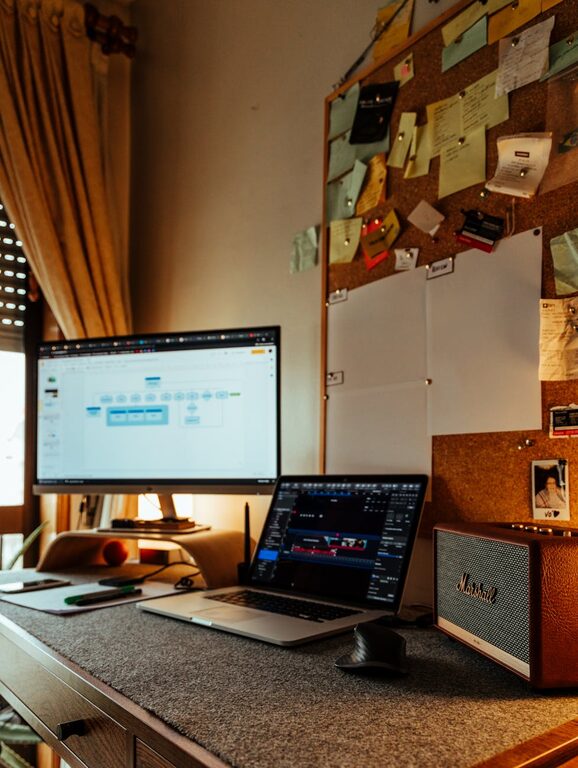
Creating a cozy and functional home workspace is essential for anyone looking to work efficiently while enjoying the comfort of their own home. Whether you work remotely full-time, freelance, or just need a dedicated spot for occasional tasks, your workspace can greatly impact your productivity and overall well-being. Here are some helpful tips to design a home office that feels inviting and supports your daily work needs.
Choose the Right Location
Selecting the perfect spot for your workspace is the first step in creating a productive environment.
– Natural Light: Aim for a location near a window to benefit from natural light, which can improve mood and reduce eye strain.
– Quiet and Private: Pick an area away from household distractions, noise, and heavy foot traffic whenever possible.
– Space Availability: Make sure you have enough room for your desk, chair, and any equipment or storage you’ll need.
Invest in Comfortable and Supportive Furniture
Your physical comfort is crucial for staying focused during work hours.
– Ergonomic Chair: Choose a chair that supports your back and encourages good posture. Adjustable height and lumbar support are key features.
– Desk Size: Find a desk that fits your workspace and allows for organized placement of your devices, papers, and other tools.
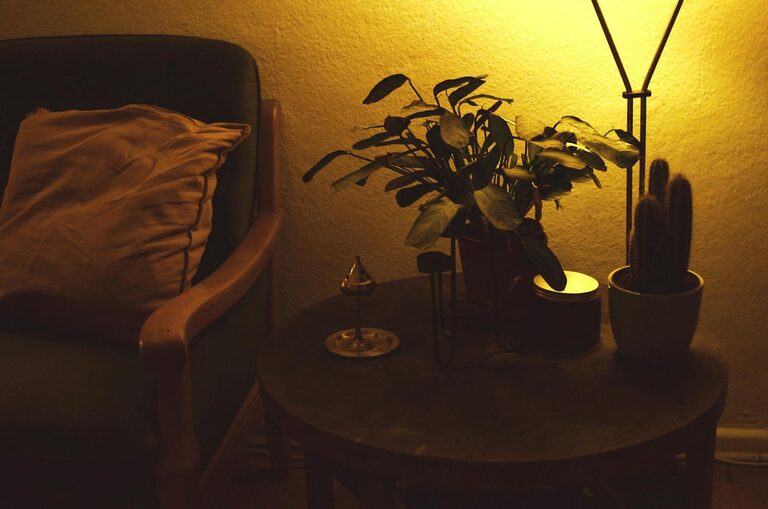
– Additional Seating: Consider a small couch or comfy chair nearby for breaks or brainstorming sessions.
Optimize Lighting
Proper lighting reduces eye strain and enhances your workspace’s ambiance.
– Layered Lighting: Combine natural light with overhead lights and a good desk lamp to keep the area bright without glare.
– Lightbulb Choice: Use bulbs with a color temperature between 3500K to 5000K for a balance of warmth and brightness suitable for focused work.
– Positioning: Place your desk lamp to the side opposite your dominant hand to avoid casting shadows on your work surface.
Organize with Smart Storage Solutions
Clutter can distract and reduce productivity, so keep your workspace tidy.
– Shelving and Drawers: Use shelves and drawers to keep documents, supplies, and books neatly stored but within easy reach.
– Cable Management: Employ clips or cable organizers to keep cords tidy and prevent tangling.
– Desk Organizers: Use trays or small containers for pens, paperclips, and other small items.
Personalize Your Space Thoughtfully
Adding personal touches can create a welcoming environment without overwhelming the workspace.
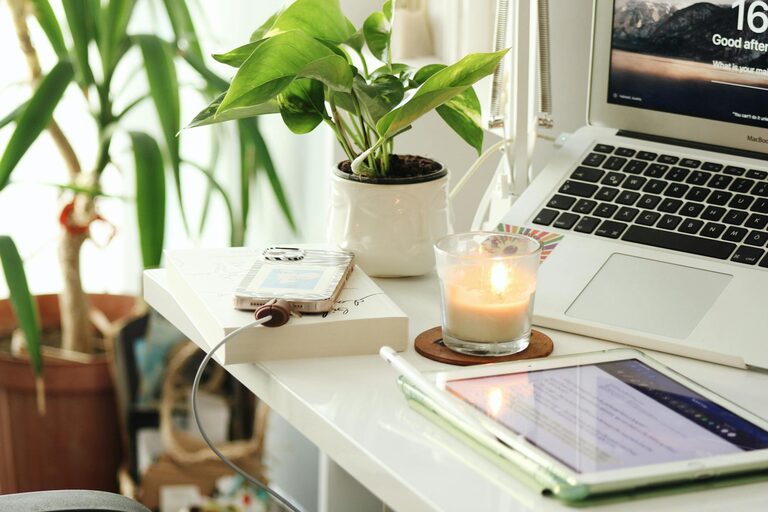
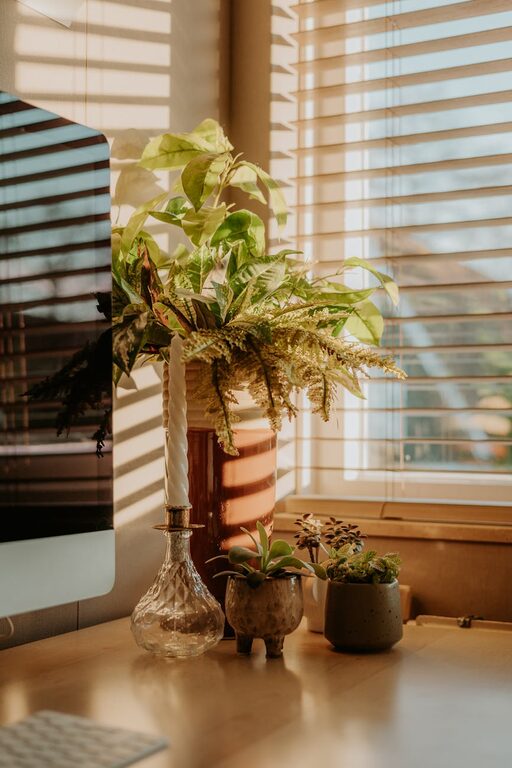
– Artwork and Decor: Select calming or inspiring artwork, plants, or decorative items that make you happy without distracting you.
– Color Scheme: Choose colors that promote calmness and focus, such as soft blues, greens, or neutral tones.
– Scent and Sound: Consider subtle scents like lavender or citrus, and background music or white noise to enhance concentration.
Incorporate Technology Efficiently
Make sure your workspace supports your tech needs without causing frustration.
– Reliable Internet: Ensure you have a strong internet connection and eliminate dead spots using extenders if necessary.
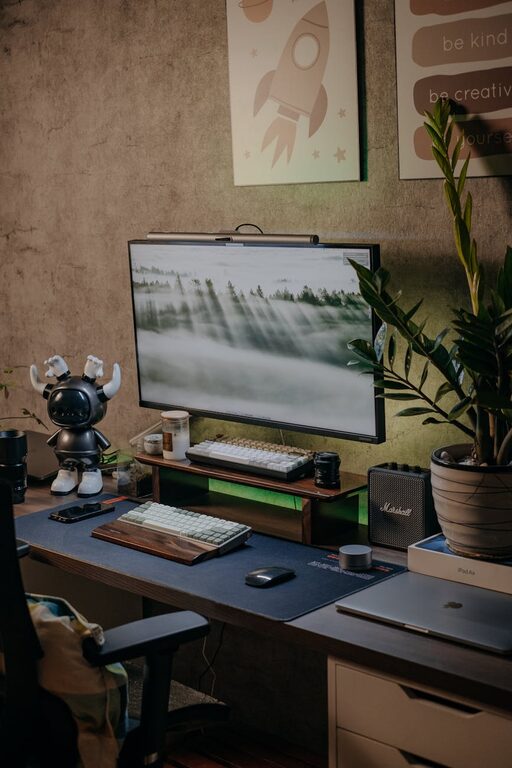
– Proper Equipment: Use quality monitors, keyboards, and headsets to improve comfort and performance.
– Screen Placement: Position screens at eye level to avoid neck strain.
Establish Daily Workflow Habits
The space alone isn’t enough—creating good habits will maximize your workspace potential.
– Set Boundaries: Define work hours to keep a healthy balance between work and personal time.
– Keep it Clean: Spend a few minutes at the end of each day tidying your desk and organizing materials.
– Take Breaks: Use your cozy seating or go outside to recharge regularly.
—
Creating a cozy and functional home workspace is about combining comfort, organization, and efficiency in a way that suits your personal style and work requirements. With thoughtful planning and some intentional touches, your home office can become a favorite room that supports your productivity and well-being.
About the Author