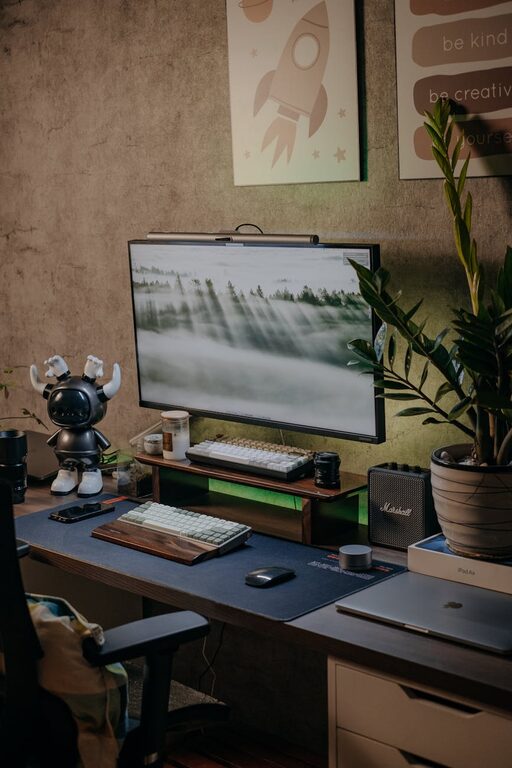
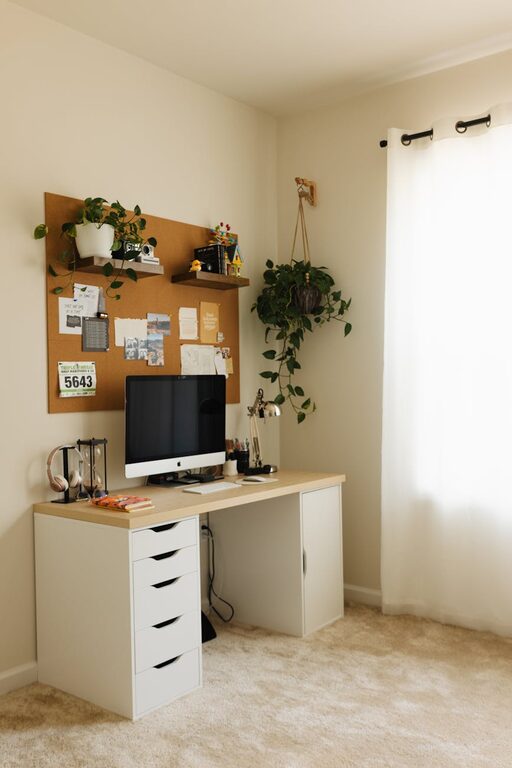
Creating a cozy and functional home workspace is essential for boosting productivity and maintaining a healthy work-life balance. Whether you work remotely full-time or just need a quiet spot for occasional tasks, a well-designed workspace can make your workdays more enjoyable and efficient. In this post, we’ll explore practical tips to help you craft a comfortable, organized, and inspiring home office.
1. Choose the Right Location
Selecting the perfect spot for your workspace is the first step to ensuring comfort and focus.
– Natural Light: Opt for a space near a window to take advantage of natural light. Sunlight can improve mood and reduce eye strain.
– Minimize Distractions: Find a quiet area away from high-traffic zones in your home to help maintain concentration.
– Space Availability: Ensure there is enough room for your work essentials and some personal touches.
2. Invest in Ergonomic Furniture
Comfort during work is key to maintaining productivity and preventing physical discomfort.
– Desk: Choose a desk with enough surface area to hold your computer, paperwork, and other tools without clutter.
– Chair: Invest in an ergonomic chair that supports good posture and reduces back strain. Adjustable height and lumbar support are important features.
– Adjustable Setup: Consider desks or accessories that allow you to switch between sitting and standing positions.
3. Optimize Lighting
Good lighting reduces eye fatigue and helps create a welcoming ambiance.
– Layered Lighting: Combine ambient light (like ceiling fixtures) with task lighting (such as desk lamps) to illuminate your workspace effectively.
– Avoid Glare: Position your computer screen and lights to minimize reflections and glare.
– Soft, Warm Lights: Use bulbs with warm tones to create a cozy environment that reduces stress.
4. Organize Your Workspace
A clutter-free area encourages focus and efficiency.
– Storage Solutions: Use shelves, drawers, and containers to keep supplies organized and easily accessible.
– Cable Management: Tidy up cords with clips or cable sleeves to prevent tangling and distractions.
– Daily Clean-Up: Spend a few minutes at the end of each day tidying your desk to prepare for the next.
5. Personalize Your Space
Adding personal touches can make your workspace more inviting and motivating.
– Decor: Display artwork, plants, or photos that inspire you.
– Colors: Use colors that promote calm or creativity, such as soft blues, greens, or pastel tones.
– Comfort Items: Incorporate cozy elements like a soft throw blanket or a cushion for your chair.
6. Enhance Productivity Tools
Incorporate tools and technology that support your work without causing clutter.
– Efficient Hardware: Use monitors, keyboards, and mice that enhance comfort and performance.
– Organizational Apps: Keep track of tasks and deadlines with productivity apps or calendars.
– Noise Control: Consider noise-canceling headphones or background music to focus better.
7. Maintain Good Air Quality
A fresh, well-ventilated space promotes well-being and alertness.
– Ventilation: Open windows occasionally or use fans to circulate air.
– Plants: Indoor plants can improve air quality and add a touch of nature.
– Avoid Overheating: Keep the room at a comfortable temperature to prevent drowsiness.
8. Set Boundaries
Establishing clear work hours and space boundaries helps preserve your personal time.
– Dedicated Workspace: Keep work materials confined to your designated area to avoid spillover into living spaces.
– Signal Work Time: Use visual cues like a desk lamp or closed door to indicate when you’re working.
– Take Breaks: Schedule regular breaks to stretch and relax, boosting focus and reducing fatigue.
—
By following these tips, you can create a home workspace that feels both cozy and highly functional. Remember, the best workspace is one tailored to your unique needs and preferences, making work enjoyable and productive every day.
About the Author