
Creating a home workspace that is both relaxing and productive can transform the way you work, helping you stay focused and motivated while reducing stress. Whether you are working remotely full-time or just occasionally, having a dedicated area designed for comfort and efficiency makes a big difference.
In this post, we’ll explore practical tips for setting up a home workspace that encourages concentration, supports your wellbeing, and inspires creativity.
1. Choose the Right Location
Selecting the best spot in your home to set up your workspace is the first step. Ideally, it should be a quiet area with minimal distractions.
– Natural Light: Position your desk near a window if possible. Natural light improves mood, reduces eye strain, and keeps you alert.
– Away from Noises: Avoid high-traffic areas or places with loud appliances.
– Defined Space: Create a clear boundary between your work zone and living areas to help your brain associate the space with productivity.
2. Invest in Ergonomic Furniture
Comfort is key to staying productive for hours.
– Supportive Chair: Choose a chair with adjustable height, lumbar support, and cushioning.
– Proper Desk Height: Your desk should allow your elbows to rest at about a 90-degree angle when using your keyboard.
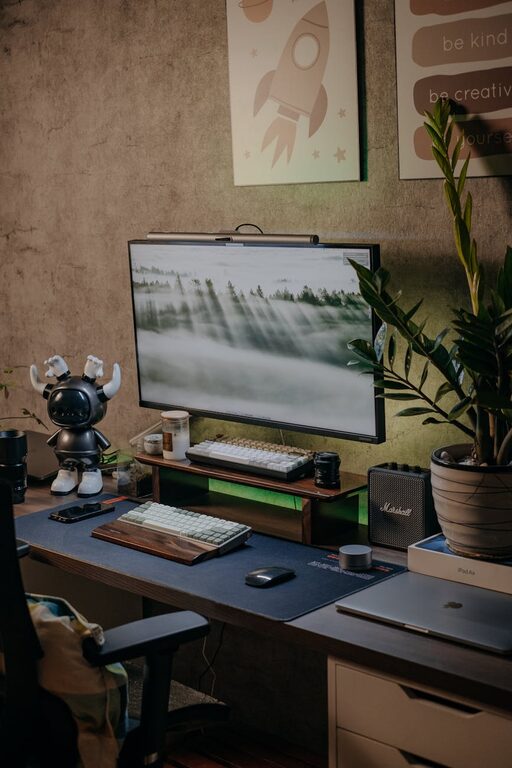
– Monitor Position: Keep your computer screen at eye level to prevent neck strain.
Ergonomic furniture might be an investment upfront, but it pays off in comfort and health benefits.
3. Declutter and Organize
A tidy workspace reduces distractions and enhances focus.
– Minimal Essentials: Keep only what you need on your desk.
– Storage Solutions: Use shelves, drawers, or boxes to organize papers, cables, and office supplies.
– Cable Management: Use clips or sleeves to keep cords neat and prevent tangling.
Regularly tidying your workspace can help maintain this clean environment.
4. Personalize Your Space
Adding personal touches makes your workspace inviting and inspiring.
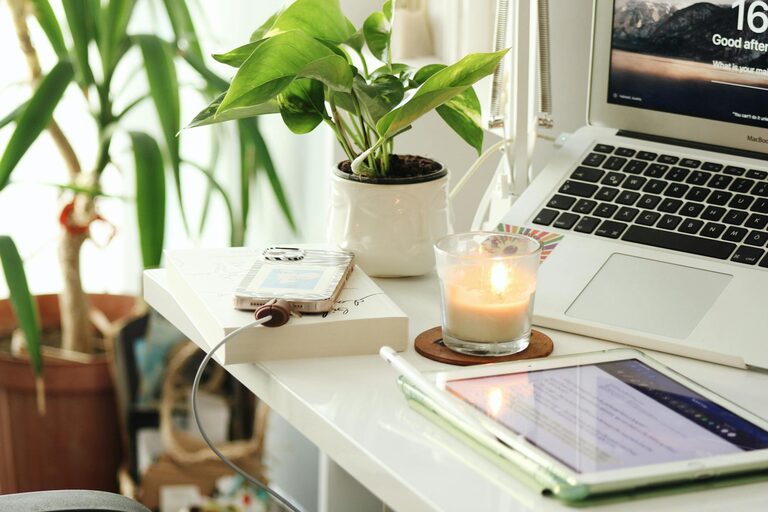
– Plants: Indoor plants not only look nice but can improve air quality and reduce stress.
– Artwork or Photos: Display calming or motivational images.
– Color Choices: Soothing colors like soft blues, greens, or neutrals promote relaxation.
Avoid overcrowding to keep the area peaceful.
5. Optimize Lighting
Adequate lighting is essential for comfort and productivity.
– Layered Lighting: Combine natural light with overhead and task lighting to reduce eye fatigue.
– Adjustable Desk Lamps: Allow you to focus light exactly where you need it.
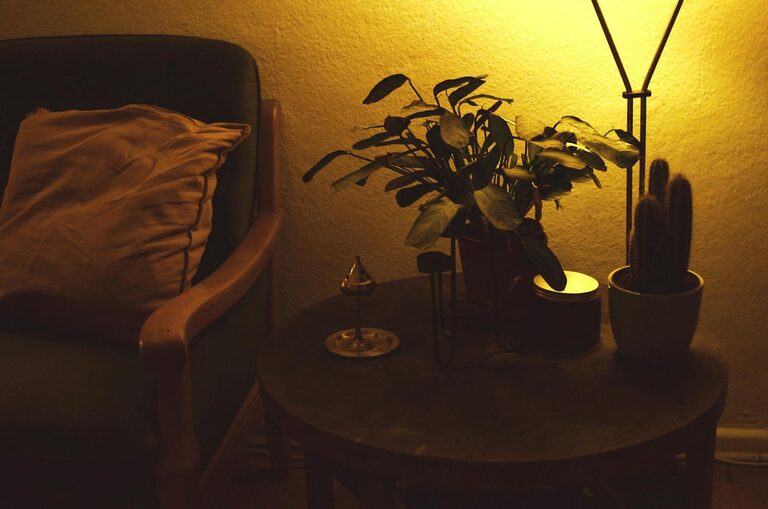
– Warm vs. Cool Light: Use cool white light during work hours for alertness, and warm lights if you work into the evening to reduce eye strain.
6. Manage Noise Levels
Noise can be distracting, but there are ways to minimize it.
– Noise-Canceling Headphones: Great if you have a noisy household or street sounds.
– White Noise Machines: Help drown out background noises with consistent, calming sounds.
– Soft Furnishings: Rugs, curtains, and cushions absorb sound to reduce echo.
If silence isn’t an option, low-volume instrumental music can improve focus for some people.
7. Establish a Routine
A productive workspace supports, but doesn’t replace, good work habits.
– Regular Breaks: Step away every hour to stretch or refresh your mind.
– Set Work Hours: Define your start and end times to maintain work-life balance.
– Task Lists: Keep daily to-do lists visible to stay organized and motivated.
Consistency in routines brings structure to your day.
8. Keep Technology in Check
Use technology smartly to avoid distractions and improve efficiency.
– Fast Internet: Ensure your internet connection supports your work tasks smoothly.
– Charging Station: Keep devices charged and ready in one place.
– Limit Notifications: Turn off non-essential alerts during work hours to stay focused.
Backing up files regularly prevents stress from technical issues.
9. Incorporate Relaxation Elements
Since comfort promotes productivity, consider adding calming features.
– Aromatherapy: Using calming scents like lavender or eucalyptus can reduce anxiety.
– Comfort Items: A cozy throw blanket or ergonomic footrest can enhance physical comfort.
– Mindfulness Tools: Items like small water fountains or stress balls offer quick stress relief.
Taking moments to pause rejuvenates your energy during the workday.
—
Creating a relaxing and productive home workspace involves blending practicality with comfort. By thoughtfully designing your area, backing it with good habits, and nurturing your wellbeing, you’ll find your workdays more enjoyable and efficient.
Begin with small changes and adjust as you discover what helps you focus and feel calm best. Your ideal home workspace is within reach—happy creating!
About the Author