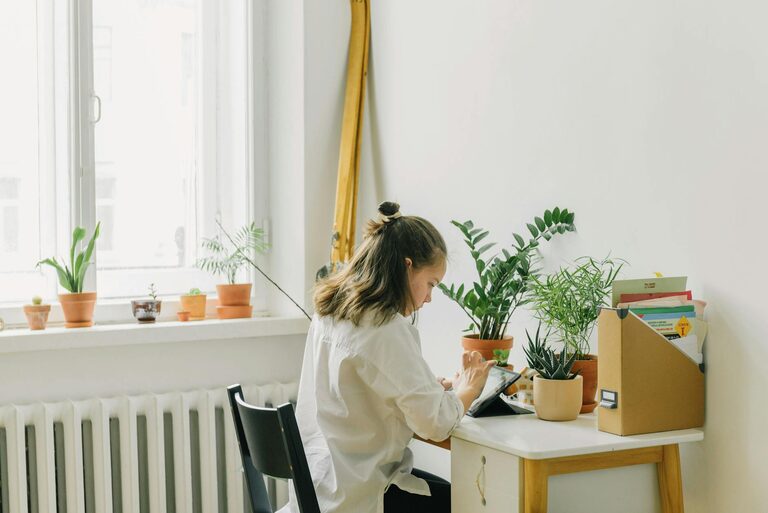
Creating a relaxing home office environment is essential for staying productive and maintaining your well-being, especially as more people work remotely. When your workspace feels calm and comfortable, you’re better able to focus, avoid burnout, and enjoy your workday. This guide offers practical tips to help you design a peaceful home office that meets your needs.
Choose the Right Location
The first step in creating a relaxing space is selecting the ideal spot in your home for your office. Consider these factors:
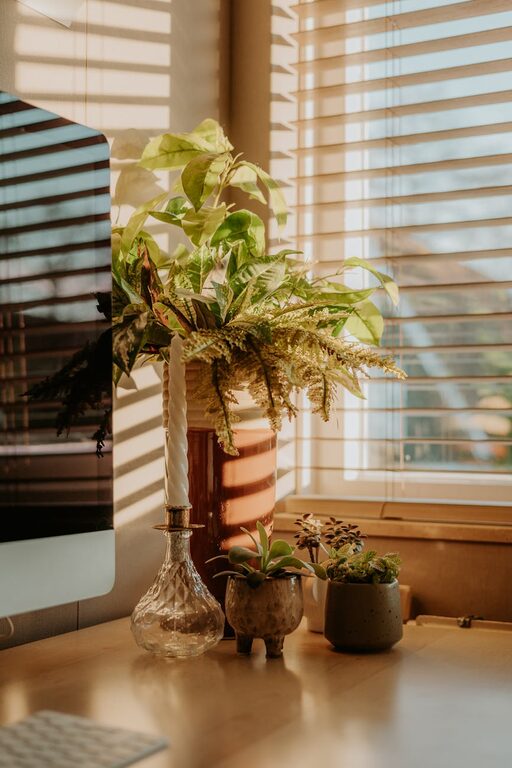
– Natural light: A space with plenty of natural light can improve mood and reduce eye strain.
– Quiet area: Choose a spot away from high-traffic areas to minimize distractions.
– Ventilation: Good airflow helps keep the room fresh and comfortable.
If space is limited, even a small corner or a nook can be transformed into a calming work area.
Prioritize Comfortable and Supportive Furniture
Your chair and desk are the foundation of a relaxing office setup. Investing in ergonomic furniture can enhance comfort during long work hours:
– Ergonomic chair: Look for adjustable lumbar support, seat height, and armrests.
– Desk height: The desk should allow you to keep your forearms parallel to the floor when typing.
– Sit-stand options: Consider a desk that lets you alternate between sitting and standing, which supports better circulation.
Adding a footrest or cushions can also improve your posture and comfort.
Keep Your Space Organized and Clutter-Free
Clutter can add to stress and distract you from work. A tidy workspace fosters calm and focus:
– Use storage solutions: Shelves, drawers, and bins help keep supplies and documents organized.
– Daily tidy-up: Spend 5 minutes at the end of each day clearing your desk.
– Minimalist approach: Keep only essential items on your desk to reduce visual noise.
Labeling storage containers and establishing a system for paperwork can save time and reduce frustration.
Add Elements That Promote Relaxation
Personalize your office with features that create a calming atmosphere:
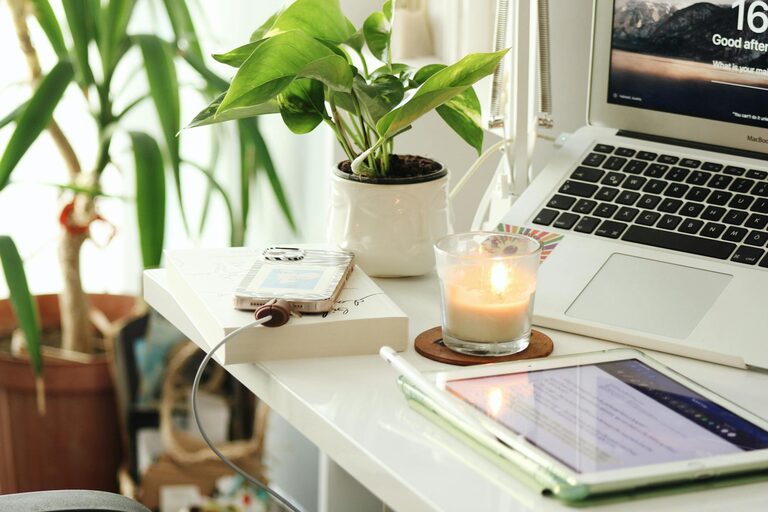
– Plants: Indoor plants improve air quality and add a touch of nature.
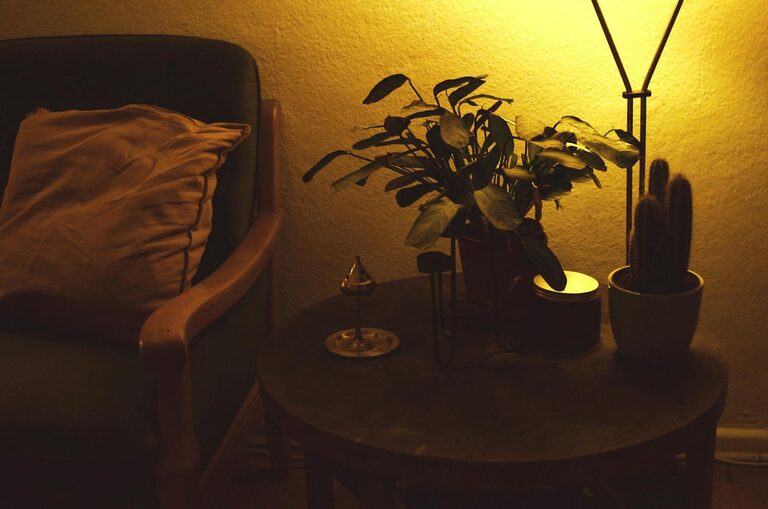
– Soft lighting: Use lamps or LED lights with adjustable brightness instead of harsh overhead lights.
– Soothing colors: Soft blues, greens, or neutrals can create a restful vibe.
– Art and decor: Hang motivating or calming artwork, but avoid overcrowding walls.
Incorporate items that make you feel comfortable, such as a cozy throw or a calming scent like lavender.
Reduce Noise and Distractions
Noise can interfere with concentration and increase stress. Here are strategies to maintain a quiet environment:
– Noise-canceling headphones: Great for blocking out background noise.
– White noise machines: These can mask distracting sounds.
– Soundproofing: Add rugs, curtains, or weather stripping to reduce echoes and external noise.
– Set boundaries: Communicate your work hours with family or housemates to minimize interruptions.
Maintain Good Technology Setup
An efficient, hassle-free tech setup helps keep your workday smooth and less stressful:
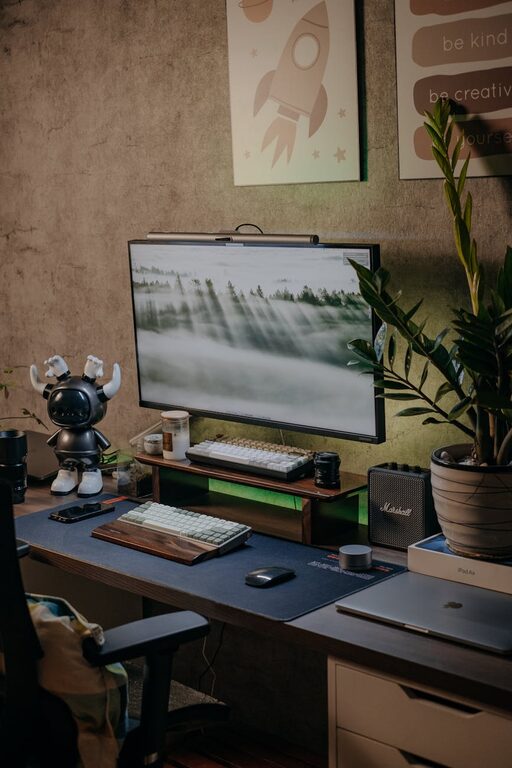
– Cable management: Use clips or sleeves to keep cords tidy and prevent tangling.
– Second monitor: Increases screen space and can improve workflow.
– Reliable internet: A strong, stable connection reduces frustration when working online.
– Regular breaks: Use apps or timers to remind you to step away from screens periodically.
Incorporate Break and Movement Spaces
Encourage relaxation by including space to take short breaks and stretch:
– Stretching zone: Keep some area clear for light exercises or yoga poses.
– Comfortable chair: Besides your desk chair, a comfortable lounge chair or cushion can be good for breaks.
– Water station: Having water nearby encourages hydration and helps maintain energy.
Taking regular breaks helps refresh your mind and improves overall productivity.
Set a Routine and Personal Rituals
Creating a routine can signal your brain to switch into work mode and relax more effectively during breaks:
– Consistent schedule: Try to start and end work around the same times each day.
– Morning rituals: Simple actions like lighting a candle, brewing tea, or organizing your desk can prepare you mentally.
– Wind-down activities: End your day by tidying up your space or planning the next day’s tasks.
Rituals help build positive work habits and reduce stress.
—
By paying attention to these aspects, your home office can become not just a place for work but a calming environment that supports both your productivity and well-being. Small changes can make a big difference in turning your workspace into a relaxing haven.
About the Author