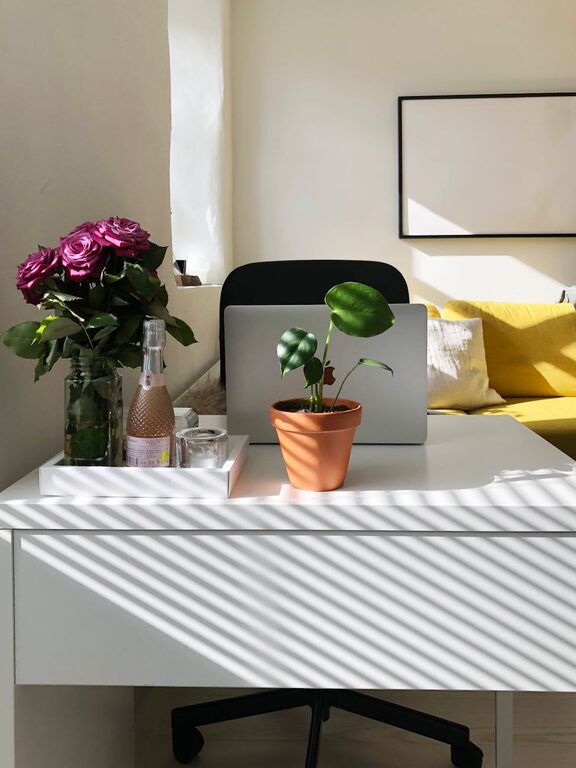
Creating a relaxing home workspace is essential for maintaining productivity and well-being, especially as many people continue to work remotely. A thoughtfully designed space can help you stay focused, reduce stress, and enjoy your workday more fully. Here are practical tips to help you build a comfortable and calming environment that supports both your mental and physical health.
Why a Relaxing Workspace Matters
Your workspace influences how you think, feel, and perform. A cluttered or uncomfortable area can increase distractions and stress. Conversely, a relaxing workspace encourages focus, creativity, and a positive mood. When your surroundings feel peaceful, you’re more likely to work efficiently and maintain a healthy work-life balance.
Choose the Right Location
Start by selecting a location in your home that is quiet and has minimal foot traffic. If possible, avoid places near noisy appliances or busy rooms. Natural light is a big plus, so try to set up near a window. Daylight boosts mood and energy levels, making it easier to stay alert.
Invest in Comfortable Furniture
Comfort is key to staying productive for longer periods. Choose an ergonomic chair that supports your back and promotes good posture. Pair it with a desk at the right height to reduce strain on your wrists and shoulders. You might also consider a sit-stand desk to vary your positions throughout the day.
Keep Your Space Clutter-Free
Clutter can be a major distraction. Make it a habit to tidy up your workspace at the end of each day. Use organizers like trays, drawers, or shelves to keep papers and supplies neatly stored. A clean desk helps clear your mind and fosters a sense of order and control.
Use Calming Colors and Decor
Color impacts mood, so decorate your workspace with soothing colors like soft blues, greens, or neutrals. Avoid overly bright or aggressive hues that might increase anxiety. Personal touches such as plants, artwork, or inspiring quotes can make the space more inviting.
Optimize Lighting
In addition to natural light, consider your artificial lighting. Use a combination of overhead lights and desk lamps to reduce eye strain. Choose bulbs that mimic daylight and avoid harsh fluorescent lighting. Adjustable lighting lets you customize brightness based on the task you’re doing.
Incorporate Natural Elements
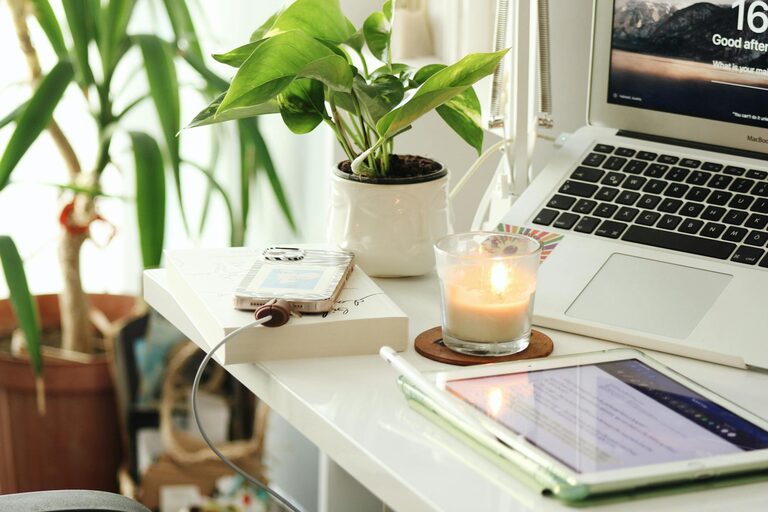
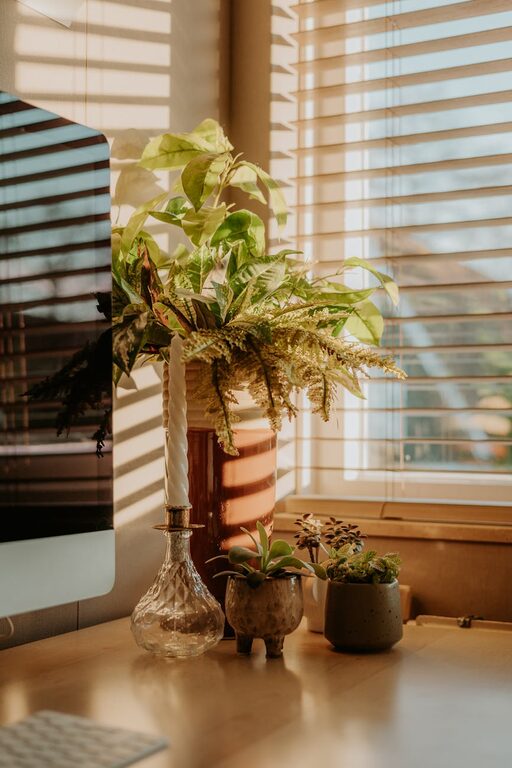
Adding plants to your workspace brings a bit of nature indoors and can reduce stress and boost productivity. Easy-to-care-for plants like succulents, pothos, or snake plants are great options. The presence of greenery also improves air quality, promoting a healthier environment.
Manage Noise Levels
Noise can interfere with concentration. If your workspace is not naturally quiet, earplugs or noise-canceling headphones can help. Alternatively, playing soft background music or white noise can mask distracting sounds and create a more peaceful atmosphere.
Take Breaks and Move Around
Even the most relaxing workspace can’t replace the benefits of taking regular breaks. Set reminders to stand, stretch, or take a short walk every hour. Movement helps reduce physical tension and refreshes your mind, making you more productive when you return to work.
Personalize Your Workflow Tools
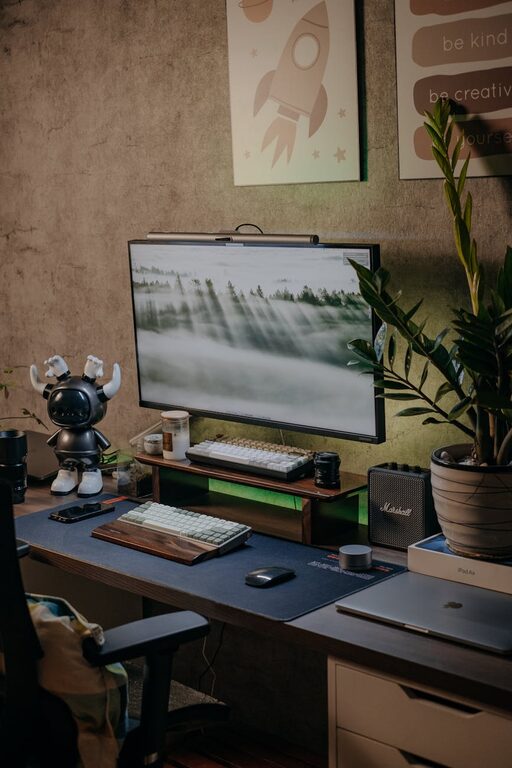
Equip your workspace with tools and technology that simplify your tasks. Keep your computer, keyboard, and mouse at comfortable positions and maintain a clean desktop. Use apps or planners to organize your day and prevent overwhelm.
Set Boundaries to Support Well-Being
Define clear start and end times for your workday to avoid burnout. When you finish, close your workspace or turn off your computer to signal the transition from work to personal time. Establishing boundaries helps maintain your mental health when working from home.
Final Thoughts
Designing a relaxing home workspace is a step toward improving your productivity and overall well-being. By focusing on comfort, organization, and a calm atmosphere, you create a supportive environment that helps you do your best work. Remember, small changes can make a big difference, so start with a few tips and adjust your space to fit your personal needs.
About the Author